














!FocusFrame™
Visual Structure
!FocusFrame™ transforms dense legal concepts into structured visual intelligence — built for faster memory, deeper comprehension, and real-world legal performance.
!FocusFrame™
Visual Structure
!FocusFrame™ transforms dense legal concepts into structured visual intelligence — built for faster memory, deeper comprehension, and real-world legal performance.
Traditional Learning vs !FocusFrame™ Structured Learning
Without visual structure, learners must hold everything in raw memory. With !FocusFrame™, information is visually organized to reduce overload and strengthen recall.
What Changes When Structure Is Added
The content doesn’t change — the brain’s ability to retain it does. Visual framing activates pattern recognition, reduces mental fatigue, and accelerates understanding.
!FocusFrame™
The Science of Centered Thinking
How It Works:
!FocusFrame™ isn’t just a design — it’s a neurological trick. The
gradient creates a tunneling effect, drawing the brain’s visual
processing toward the center.
VS.
Light-to-dark contrast reduces eye fatigue.
The “spotlight zone”
activates sustained attention pathways
(prefrontal cortex engagement).
Repeated use helps neurodivergent learners build longer focus
intervals naturally — no extra software, just visual design done
right.
Born from Necessity
!FocusFrame™ started as a survival tool — a way to finish reading one paragraph at a time
when the world wouldn’t sit still. The first prototype was a hand-drawn border around a legal
textbook page. That led to digital overlays, test cards, and eventually a full patent filing to
protect the method.
Now it’s part of the !DueCourse™ ecosystem — the physical side of digital focus.
Protected Innovation
!FocusFrame™ is patent-pending. The filing covers the visual structuring
method that uses controlled gradients and spacing to reduce cognitive
overload and enhance comprehension for neurodivergent and high-
distraction learners. It’s not software — it’s visual ergonomics,
reimagined for study and design.
What Visual Structure Actually Changes
The content on both cards is exactly the same. The difference is not the information — it’s the way the brain encounters it. When visual structure is introduced, attention narrows, mental noise drops, and recall becomes easier. This is the contrast FocusFrame™ was built to reveal.
Without !FocusFrame™
In a traditional layout, the brain must hold everything in raw memory at once. The eye wanders across the page, competing elements fight for attention, and mental fatigue sets in quickly. Learning still happens — but it requires more effort, more rereading, and more willpower to sustain focus.
With !FocusFrame™
With visual structure in place, attention naturally tunnels toward the center. Peripheral noise softens, patterns become clearer, and the key concept rises to the surface. The brain no longer struggles to find what matters — it is guided there. This reduces cognitive load and strengthens recall with every pass.
Protected by Design
!FocusFrame™ isn’t just an aesthetic concept — it is protected as a design-based visual cognition method. The system is built around controlled gradients, spacing, margins, and contrast to reduce overload and guide attention. This means the structure itself — not just the content — is part of what’s protected.
Because it is a visual design method, !FocusFrame™ can be applied across flashcards, study sheets, reading tools, digital notes, and future learning platforms.
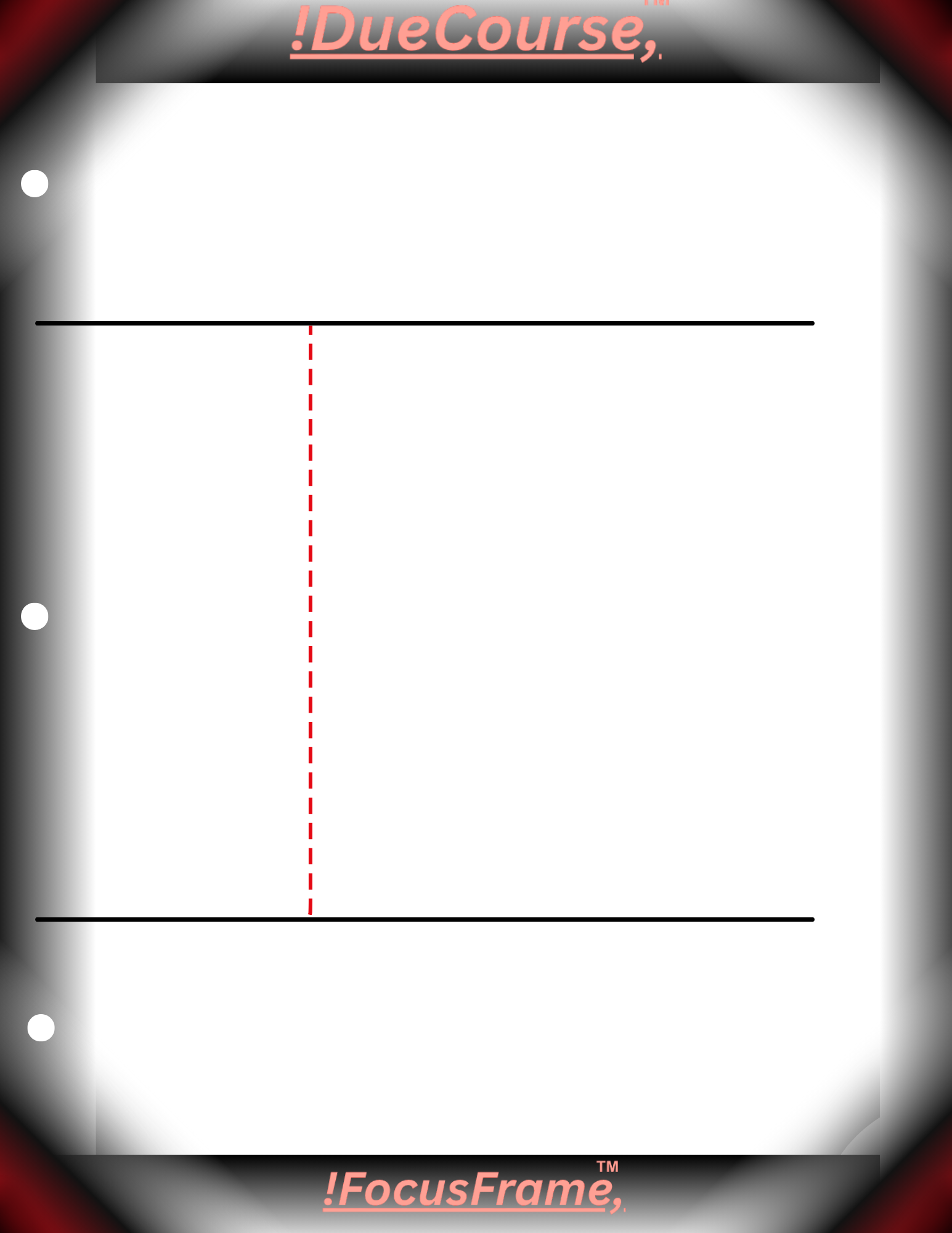
INTRODUCING CORNELL-STYLE NOTES WITH
!FOCUSFRAME™
INTRODUCING CORNELL-STYLE NOTES WITH !FOCUSFRAME™
FROM FLASHCARDS TO FULL STUDY SYSTEMS
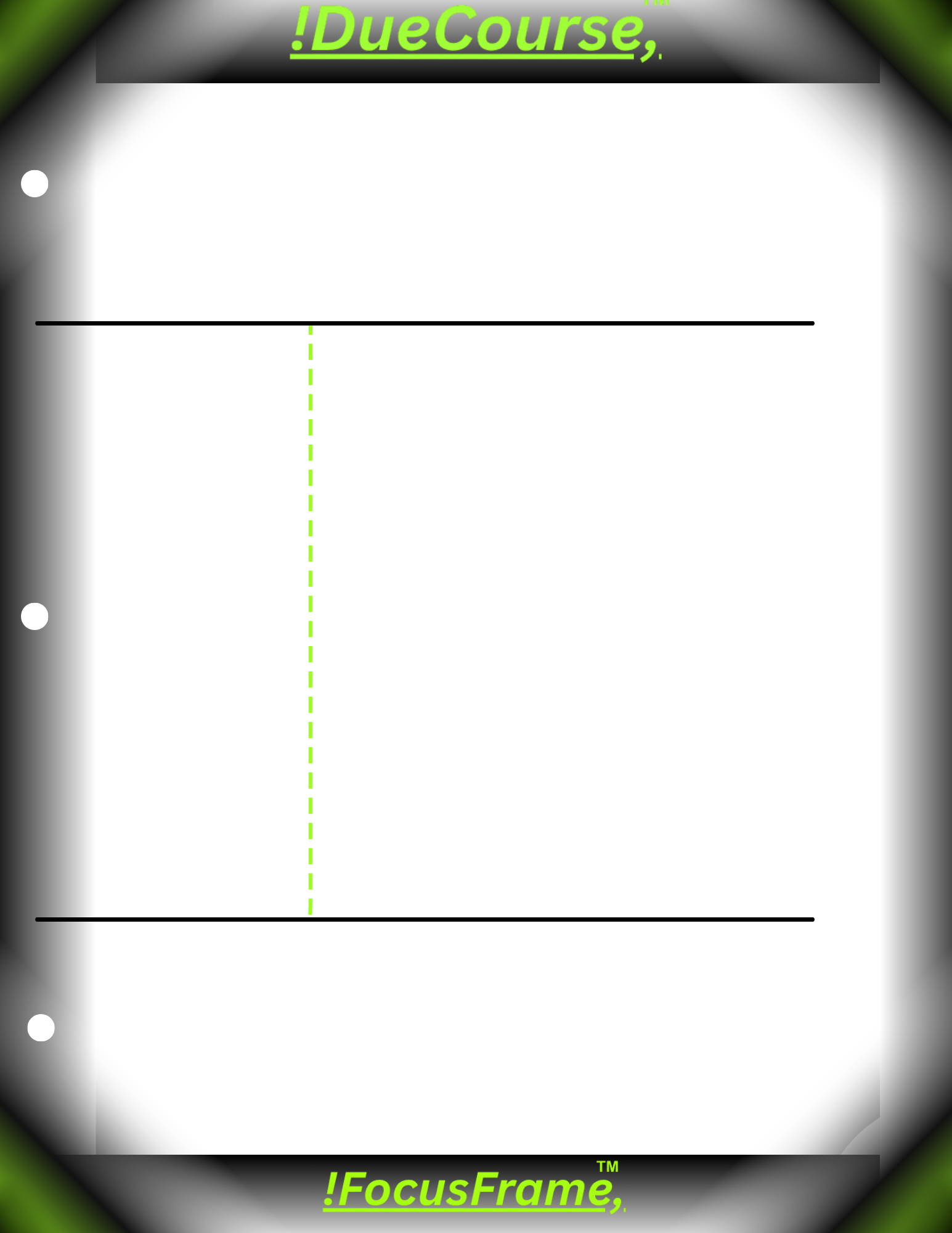
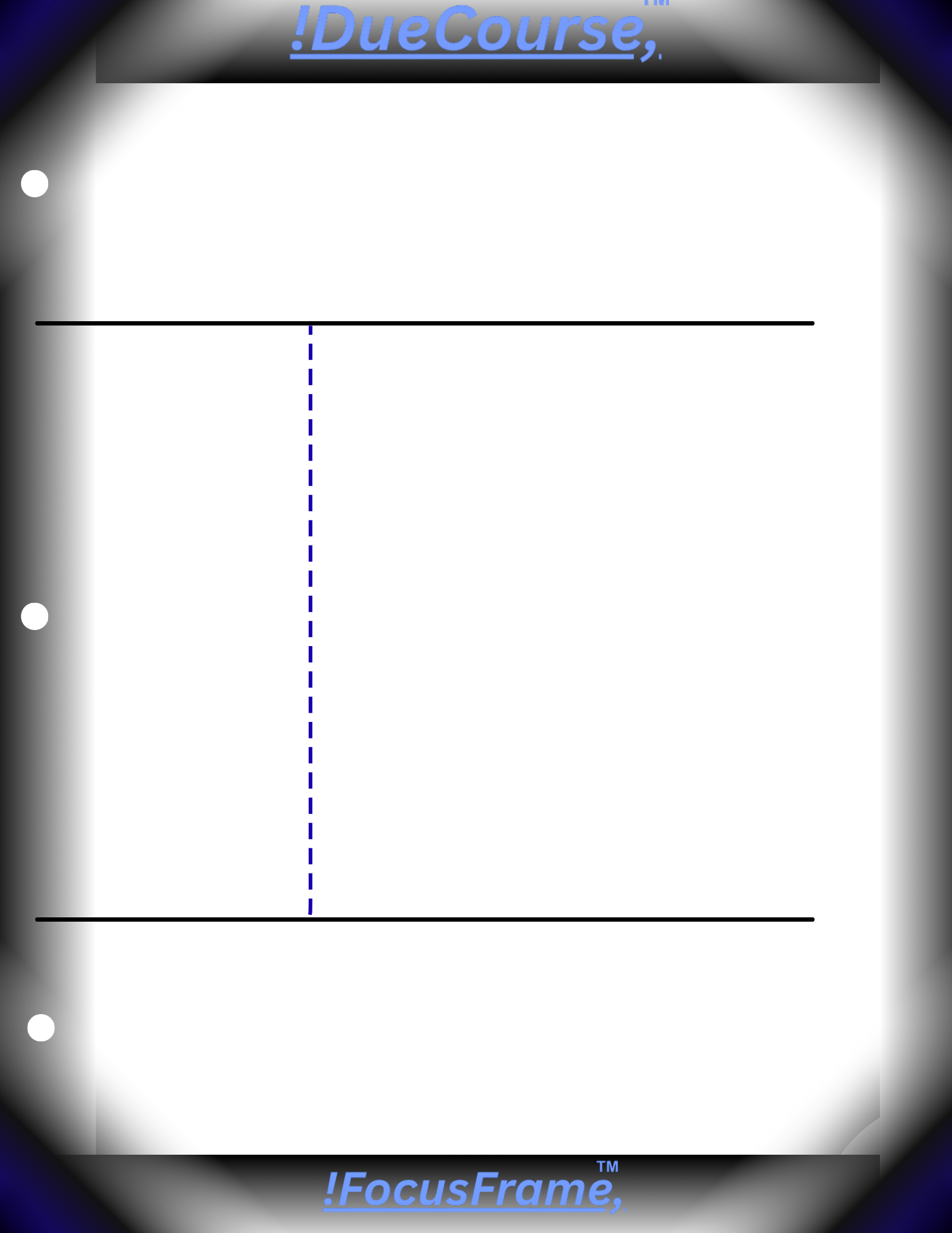
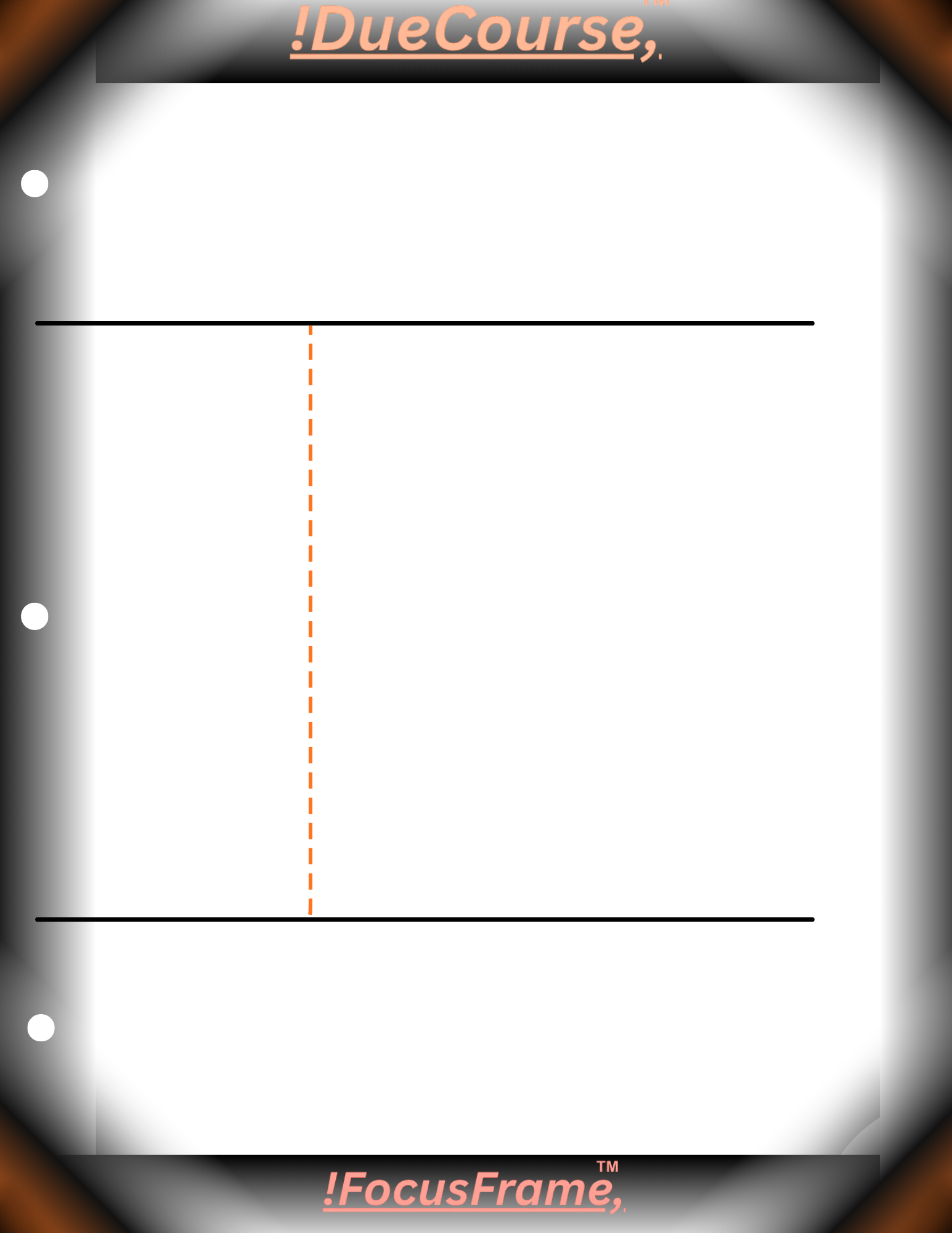
!FocusFrame™ doesn’t stop at flashcards. The same visual principles extend naturally into structured note systems — including Cornell-style layouts. By combining proven note organization with controlled visual framing, learners can track cues, summaries, and main content without overwhelming the brain.
This transforms notes from static records into active focus tools built for real comprehension.
FROM FLASHCARDS TO FULL STUDY SYSTEMS
!FocusFrame™ doesn’t stop at flashcards. The same visual principles extend naturally into structured note systems — including Cornell-style layouts. By combining proven note organization with controlled visual framing, learners can track cues, summaries, and main content without overwhelming the brain.
This transforms notes from static records into active focus tools built for real comprehension.
!JurisDocs™
Looking Ahead
The vision for !FocusFrame™ goes far beyond flashcards and notes. It opens the door to structured legal documents, framed briefs, guided study sheets, and full reading environments built for clarity — not clutter.
!JurisDocs™ is the next layer: a future where legal documents themselves become focus-optimized through visual structure.
This vision lives inside !JurisKey™, our advanced bar-level and professional prep ecosystem. !JurisKey™ is being built for collaboration with licensed J.D.s, formal curriculum partners, and alignment with future licensing standards.
The goal stays the same:
To reshape how dense legal information is visually experienced at the professional level.
Explore !JurisKey™
The future of !JurisDocs™ lives inside !JurisKey™ — where advanced legal learning, bar preparation, and focus-optimized systems converge.
Click Here
The Science of !FocusFrame™
A curated collection of studies on attention, cognitive load, visual guidance, and accelerated learning.

Our brains can only focus on a limited slice of the visual field at once. To stay effective, they suppress
distractions and “tunnel” into a narrower zone of attention. ResearchGate+2LSU Scholarly Repository+2
Visual-ergonomic design can steer the eye and brain toward the right area — less overwhelm, more
throughput. For example: when peripheral info is reduced or visually “framed”, attention stabilises. Nielsen
Norman Group+1
!FocusFrame™ applies this principle: we shape the “zone of visual prominence” via gradient overlays,
margins, contrast shifts — guiding your visual system into the sweet spot of comprehension.
Attentional bottleneck & tunnelling
Research in driving shows that when cognitive workload rises, visual attention narrows: drivers’ gaze
distributions shrink, peripheral vision drops off. ResearchGate+1
Selective attention & visual salience:
The brain uses bottom-up (stimulus-driven) and top-down (task-driven) mechanisms to bias
which elements in the visual field get processed. Wikipedia+1
UX research calls it “tunnel vision” in web contexts: people fixate on one region and ignore other on-
screen elements even if they’re physically near. Nielsen Norman Group.By creating a gradient frame (less
contrast at edges, more visual “pull” toward center), FocusFrame taps these mechanisms: we reduce
competing edge-visual clutter and direct the eye and mind toward the centre content.
Visual attention maps & design for
focus
Studies of operators (e.g., teleoperation in construction tasks) show how attention maps reveal where
people look most when tasked. Good visual design places critical information in those high-probability
zones. Frontiers .FocusFrame’s design translates that idea for reading/studying: define your “critical zone”
(the text, the clause, the diagram) and subdue the periphery. The brain processes the centre more deeply
because it’s visually primed.
Explore how visual design, attention, and cognitive ergonomics intersect to shape focus and comprehension. Each source
supports key principles that inspired the FocusFrame™ patent.
Brefczynski-Lewis, J., & DeYoe, E. (2009). The topography of visuospatial attention as revealed by neural activity.
Proceedings of the National Academy of Sciences.
Shows the brain’s attention map is strongest at the center and fades outward — a natural gradient of focus.
🔗 PMC Link
Zanca, D., et al. (2020). Gravitational models explain shifts of human visual attention. Nature Scientific Reports.
Explores how visual “pull” guides the eye — exactly what FocusFrame’s central gradient recreates.
Couperus, J., & Lydic, R. (2019). Attentional set and the gradient of visual spatial attention. Neuroscience
Letters.
Demonstrates how mental framing changes the scope of attention — validating visual cues as cognitive
scaffolds.
Lockhofen, D., et al. (2021). Neurochemistry of visual attention. Frontiers in Neuroscience.
Breaks down how neurotransmitters regulate selective focus — why visual aids can shape sustained attention.
ullamcorper mattis, pulvinar dapibus leo.
Reading, Focus, & Layout Design
Koornneef, A. W. (2022). Does BeeLine Reader’s gradient-coloured font improve the readability of digital texts for
beginning readers? Journal of Computer Assisted Learning.
Directly supports gradient-based reading tools — improved comprehension and reduced eye fatigue.
Zaphiris, P., & Kurniawan, S. (2001). Effects of information layout on reading speed: Differences between paper
and monitor presentation. International Journal of Industrial Ergonomics.
Shows how margins, contrast, and layout directly affect reading efficiency — basis for FocusFrame™ spacing logic.
Dyson, M. C. (2004). How physical text layout affects reading from screen. Literacy and Human Performance
Studies.
Classic review of line length, column width, and interline spacing — foundation for digital readability.
🔗 Full PDF
. Joo, S. J., et al. (2018). The contribution of visual crowding to reading difficulties. Vision Research.
Explains how tight spacing and clutter impair reading — FocusFrame™ alleviates crowding by de-emphasizing the
periphery.
Perry, C. (2022). What is going on with visual attention in reading and dyslexia? Brain Sciences.
Clarifies the attentional bottleneck in dyslexia — supports designs that modulate the visual field.
Ling, J. (2007). The influence of line spacing and text alignment on visual search. Displays Journal.
Proves spacing and layout changes significantly alter comprehension and search accuracy.
Scientific & Medical Disclaimer
The information provided on this website, including content related to !DueCourse™ and !FocusFrame™, is for educational and informational purposes only.
!DueCourse™ and !FocusFrame™ are not medical devices, not therapeutic interventions, and are not intended to diagnose, treat, cure, or prevent any disease or medical condition, including but not limited to ADHD, ADD, anxiety, or learning disorders.
Any references to cognitive focus, attention, learning, or performance are based on general educational concepts, design principles, and emerging research in areas such as learning science, usability, and cognitive psychology. While we cite existing scientific literature where relevant, !FocusFrame™ has not yet been clinically tested or validated as a medical or therapeutic treatment.
Individual experiences may vary. Users should not rely on this website as a substitute for professional medical advice, diagnosis, or treatment. Always seek the advice of a qualified healthcare provider regarding any medical or mental health concerns.
Research and evaluation studies related to !FocusFrame™ may be conducted in the future; however, no clinical claims are being made at this time.