!JurisKey™ logo displayed in a historic law library with shelves of aged legal books, muted gray tones, and subtle red highlights.

!JurisKey™ — Legal Ergonomics in Practice

!JurisKey™  Legal Ergonomics in Practice

What Is !JurisKey™?

!JurisKey™ is a structured legal knowledge layer built on top of !DueCourse™, designed for learners who already understand foundational legal concepts and need depth, context, and system-level understanding.

What Is !JurisKey™?

!JurisKey™ is a structured legal knowledge layer built on top of !DueCourse™, designed for learners who already understand foundational legal concepts and need depth, context, and system-level understanding.

Golden !JurisKey™ logo with a hanging gold key on a red, black, grey, and white background, displaying the text “The Gold Standard” and a “Powered by !DueCourse™” badge.

Legal concepts don’t exist in isolation. In real practice, litigation, and advanced study, doctrine operates across interconnected rules, constitutional principles, statutory frameworks, and evolving case law. !JurisKey™ is designed to make those connections visible and usable.

From Clarity to Structure

!DueCourse™ makes legal concepts clear.
!JurisKey™ builds what comes next.

In !JurisKey™, legal ideas are treated as systems, not standalone definitions. The same concept is explored across different contexts, doctrines, and applications.

For example, causation operates differently in tort law, Fourth Amendment analysis, exclusionary rule doctrine, and civil rights litigation.

!JurisKey™ is designed to map those connections deliberately

From Clarity to Structure

!DueCourse™

focuses on making legal concepts clear and accessible.
!JurisKey™ begins where that clarity stops.In !JurisKey™, concepts are treated as systems, not standalone definitions. Each topic is developed to show how the same legal idea behaves differently depending on context, doctrine, and application.

For example, a single concept like causation can operate differently in:

Tort law

Fourth Amendment analysis

Exclusionary rule doctrine

Civil rights litigation

!JurisKey™ is built to map those relationships deliberately.

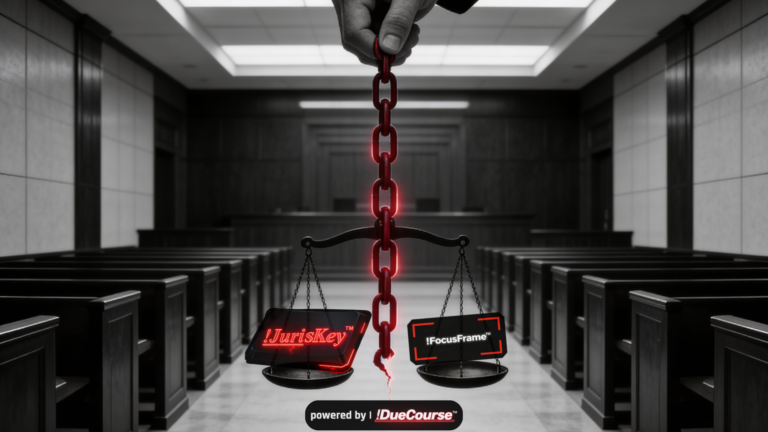
Hand holding balanced scales of justice with !JurisKey™ and !FocusFrame™ logos, powered by !DueCourse™, symbolizing structured legal learning

Visual Ergonomics Built In

!JurisKey™ is built with !FocusFrame™ integrated throughout the system.

Developed within !DueCourse™, !FocusFrame™ applies visual ergonomics to legal learning — helping learners isolate what matters, reduce cognitive overload, and move through complex material deliberately. Instead of relying on repetition or volume, it uses structure and visual boundaries to support focus and retention.

Within !JurisKey™, this keeps doctrine, context, and application in balance, allowing learners to engage deeply without losing orientation as complexity increases.

Visual Ergonomics Built In

!JurisKey™ is designed with !FocusFrame™ integrated throughout the system.

!FocusFrame™ is visual ergonomics technology developed within !DueCourse™, created to help learners isolate what matters, reduce cognitive overload, and move through complex legal material deliberately. Rather than forcing attention through repetition or volume, !FocusFrame™ uses structure and visual boundaries to support focus and retention.

Within !JurisKey™, this means doctrine, context, and application remain balanced — allowing learners to engage deeply without losing orientation as complexity increases.

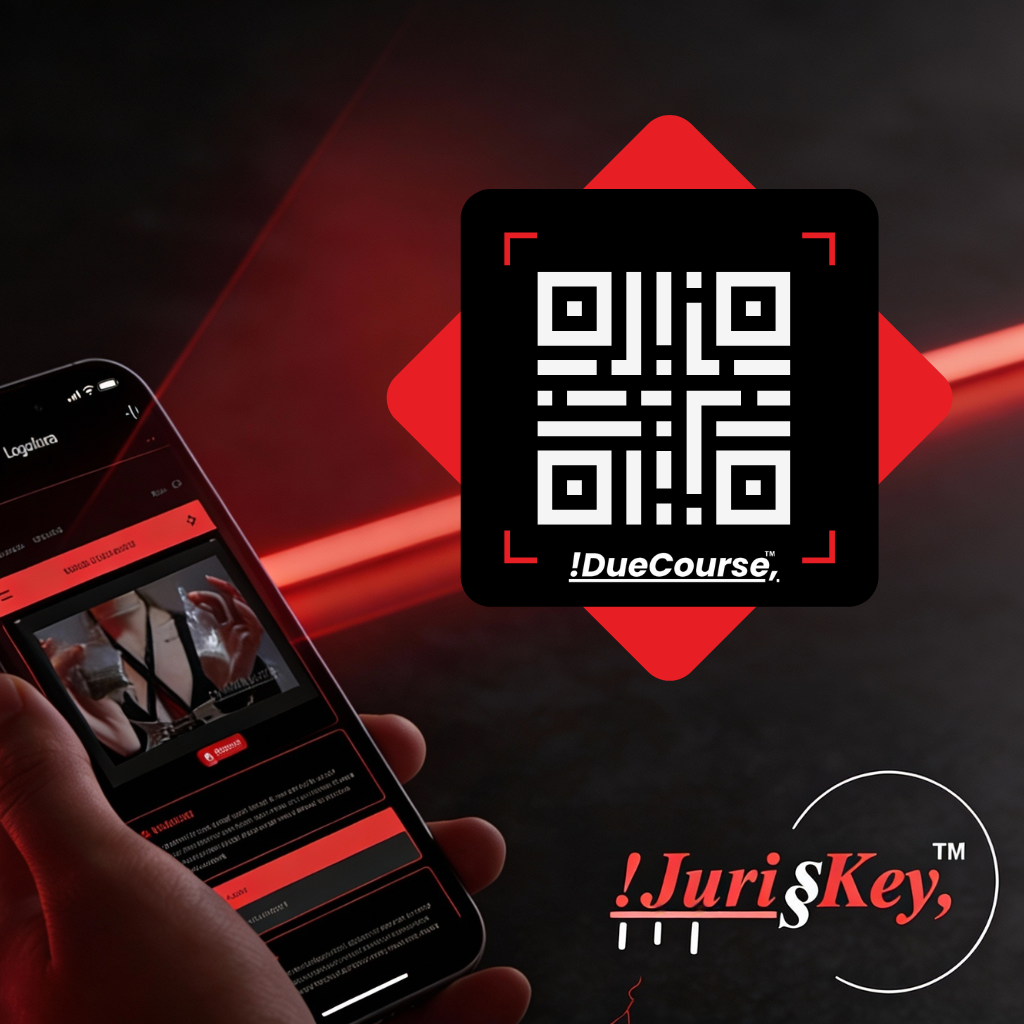
Hand holding a smartphone playing a Juris Key™ legal video explainer, with a large Due Course™ QR code displayed in a red and black color theme.
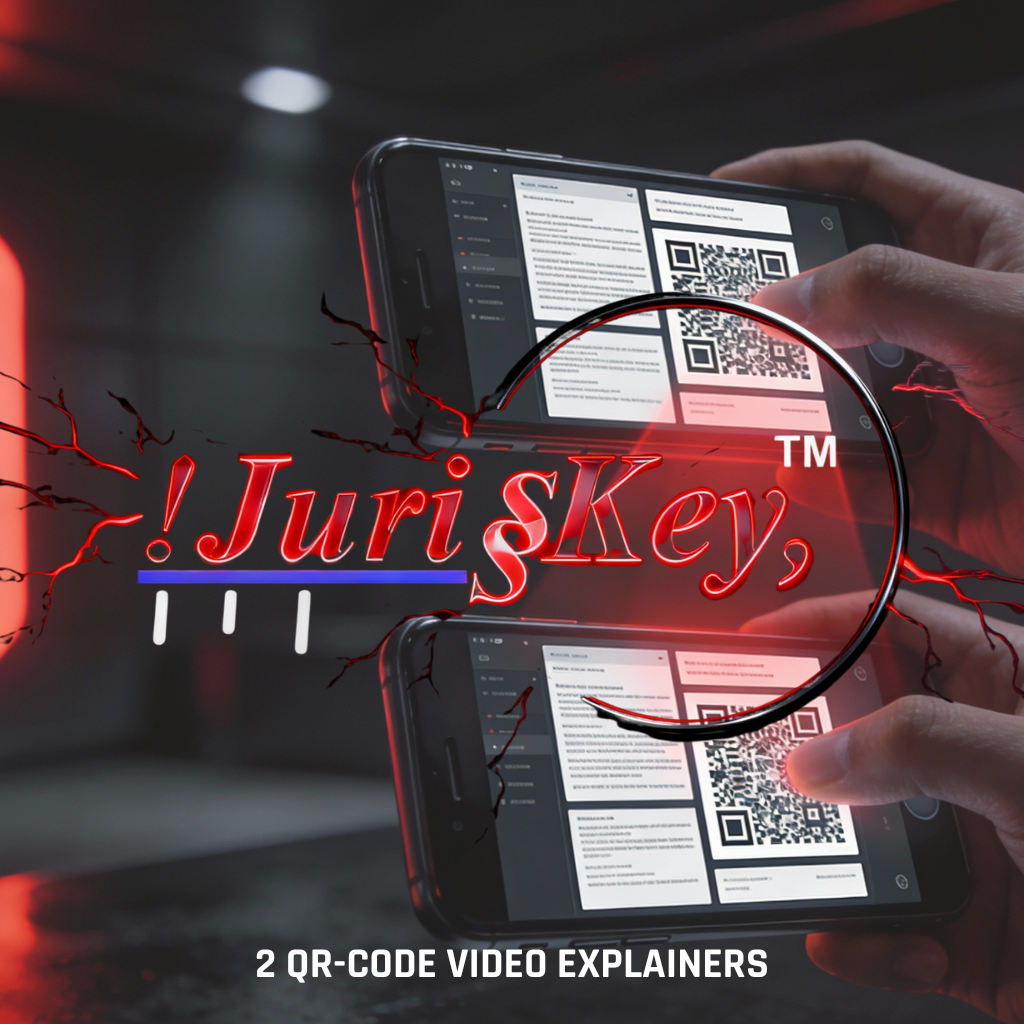
Two smartphones displaying QR codes for !JurisKey™ video explainers, showing dual learning paths for legal concepts

JurisKey Cards

!JurisKey™ cards are built to show how legal concepts operate inside real legal systems, not as isolated definitions.

Each card uses two QR codes. One leads to a focused explainer designed for clarity. The other opens a deeper layer that connects the same concept across doctrine, constitutional rules, statutory frameworks, and recurring legal patterns.

Using causation as an example, clarity establishes the core rule. Depth explores how causation functions in tort law, Fourth Amendment analysis, the exclusionary rule, and civil rights litigation. The concept stays consistent, while its application changes by context.

This structure allows learners to move deliberately from understanding to depth without losing orientation

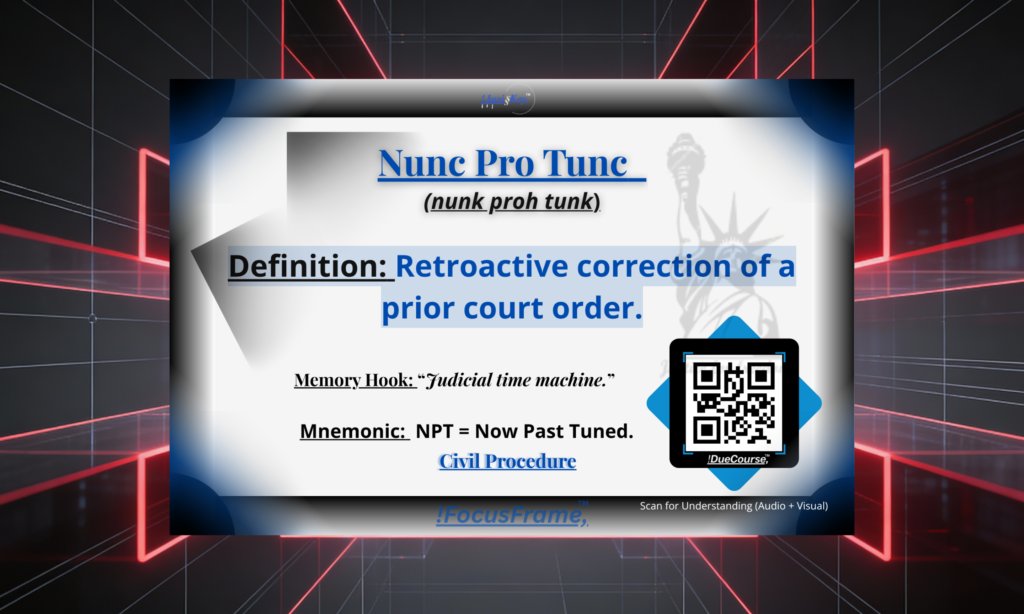
First-generation !JurisKey™ legal concept card displaying the term “Nunc Pro Tunc” in a blue prototype design
!JurisKey™ Generation 1 mock-up exploring the legal concept Nunc Pro Tunc as part of the platform’s early structured-learning design.
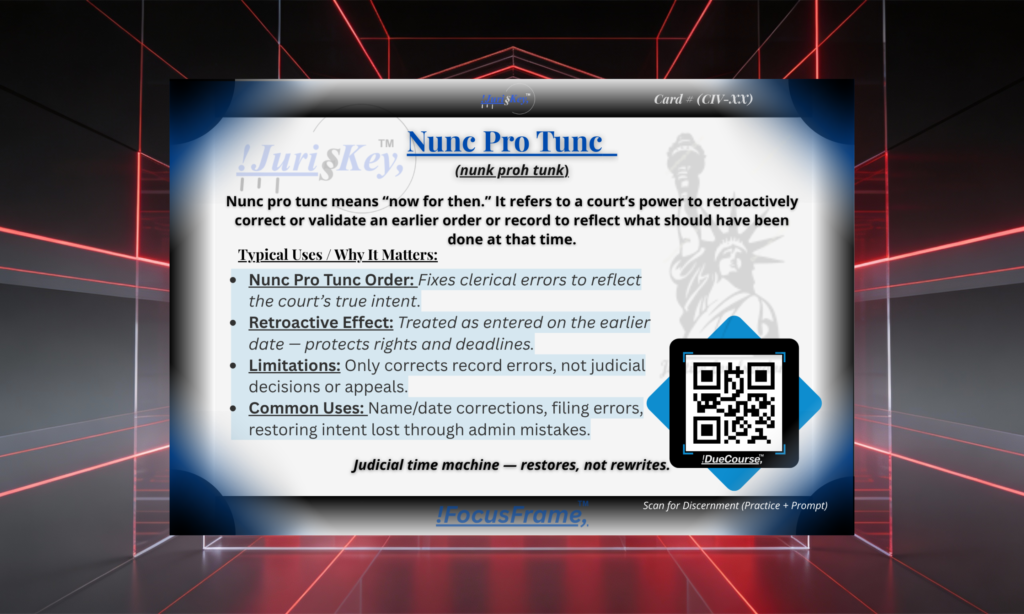
Back side of a first-generation !JurisKey™ legal concept card for “Nunc Pro Tunc,” showing QR code access to expanded doctrine
!JurisKey™ Generation 1 mock-up showing the back of the Nunc Pro Tunc card with QR code access to expanded legal analysis.
Front of a legal bar exam flashcard shown for comparison, featuring a customized background with original branding obscured
Front view of a third-party bar exam flashcard shown for comparison purposes.
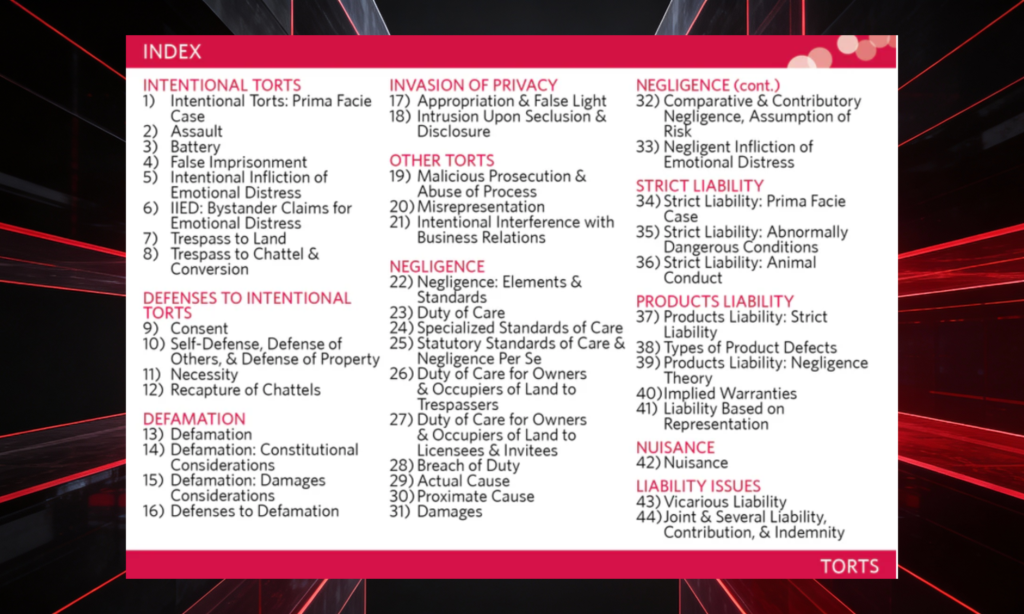
Front of a tort law bar exam flashcard labeled “Index,” shown for comparison with original branding obscured
Front view of a tort law bar exam flashcard labeled “Index,” shown for comparison purposes.

Designed to Evolve – Not Frozen in Print

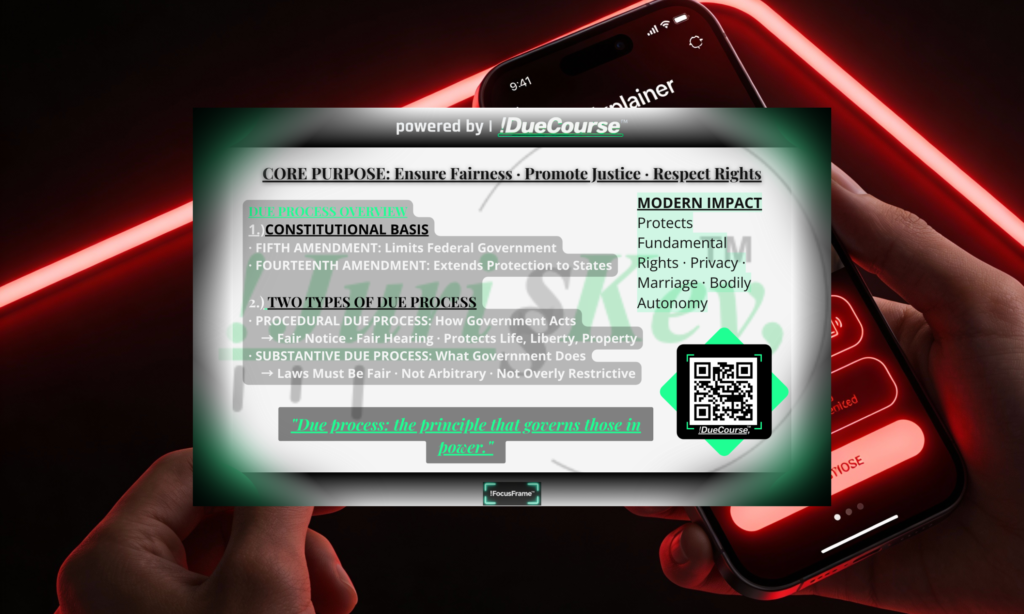
The image shown reflects a current !JurisKey™ card concept displayed with a watermark. No print runs have been finalized yet—and that’s intentional. Through !DueCourse™, we’ve explored dozens of layouts, styles, and visual systems using Canva Pro, and these designs will continue to evolve as the product matures and the system scales.

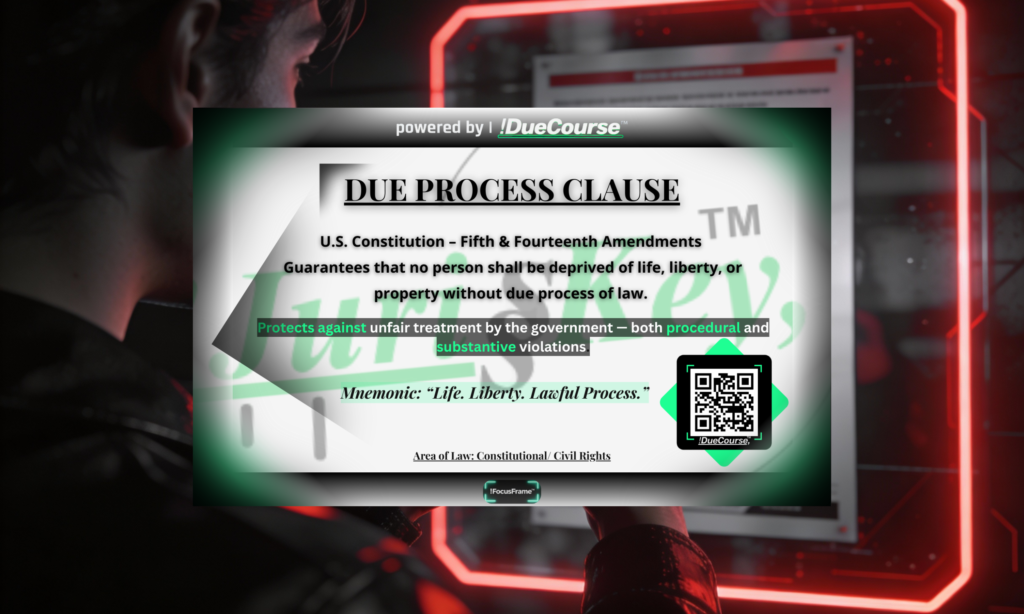
!JurisKey™ Due Process mock-up card in sea moss green, featuring a !FocusFrame™ design layout as part of the !DueCourse™ legal learning system.
Prototype !JurisKey™ study card with watermark, illustrating early design iteration before final !DueCourse™ card production.
Futuristic scales of justice in a modern red and black legal setting, symbolizing balance and fair comparison

Nominative Fair Use Disclaimer

Critical Pass is a registered trademark of its respective owner. !JurisKey™ is not affiliated with, sponsored by, or endorsed by Critical Pass. Any reference to Critical Pass is made solely for nominative fair use and comparison purposes.

!JurisKey™ logo displayed against layered, shelf-like structures symbolizing organized legal knowledge and system depth

How !JurisKey™ Cards Differ

First-generation !JurisKey™ cards are designed as dynamic learning tools, not static references.

Each card pairs a physical concept anchor with QR-based video explainers, allowing learners to move from focused clarity into deeper context as needed. This structure is intentionally ergonomic. It narrows attention, reduces cognitive overload, and supports learning through visual explanation rather than passive memorization.

For comparison, traditional bar prep flashcards present legal rules in a static format. While effective for rote review, they rely primarily on text density and repetition. The learner must supply structure, context, and application independently.

!JurisKey™ approaches the same material differently. Concepts are explained visually, reinforced through motion and framing, and revisited through layered access. The goal is not speed, but durable understanding built through structure, focus, and deliberate progression.

The comparison shown here is intended to highlight differences in learning design and delivery, not to evaluate or replace any existing study product.

!JurisDocs™,

part of !JurisKey™, explores clear, structured legal writing that respects the reader’s time. It’s a collaborative concept inviting legal professionals to rethink how clarity and organization support effective advocacy.

Interested in collaboration or discussion?

We welcome thoughtful input from legal professionals on clarity, structure, and legal writing.
Contact us at Admin@DueCourse.Legal. Or simply fill out the form below

Thank You.